Dual Citizen? Which Passport to Use When Entering the UK, US and EU
15th September 2026 · Last reviewed 23rd September 2026
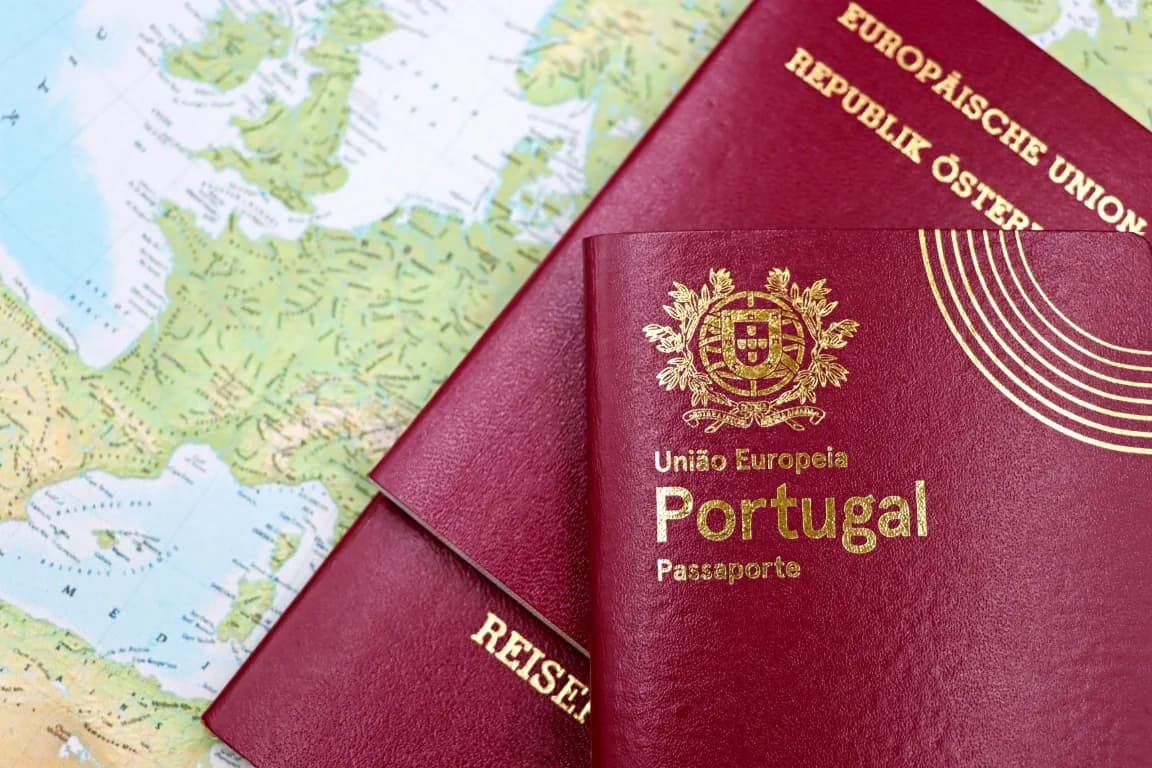
Holding two passports sounds like an advantage until you are standing at a border deciding which one to hand over. The right answer changes from one border to the next, and getting it wrong can mean anything from a longer queue to being refused boarding. Here is how it works for the UK, the US and the Schengen area.
Which passport do I use entering the UK as a dual citizen?
British citizens, dual nationals included, cannot get a UK Electronic Travel Authorisation (ETA). GOV.UK is direct about this: "If you're a dual citizen with British or Irish citizenship, you cannot get an ETA."
That matters because an ETA is what lets most other visitors board transport to the UK without a visa. A dual national who turns up at check-in with only their foreign passport has no ETA to show and risks being refused boarding. Instead, travel on one of:
- a valid British passport
- another valid passport together with a Certificate of Entitlement to the Right of Abode
- a valid Irish passport, if you hold Irish citizenship
A Certificate of Entitlement costs £589 (verified September 2026) and, since 26 February 2026, is issued as a digital record rather than a sticker in your passport. The digital certificate does not expire when the linked passport does, so it is a one-off cost rather than something to renew with every new passport. You do need to update your UKVI account when your passport or personal details change. You can apply directly on GOV.UK without an agent.
For most dual nationals who travel to the UK regularly, a British passport is the cheaper and simpler route. We covered the background when the rule first landed, in our article on UK entry requirements for dual citizens.
If you're a British-Irish dual national
Irish citizens are exempt from the ETA requirement in their own right, separately from the British citizenship exemption above. If you hold both, you can keep entering the UK on a valid Irish passport without a Certificate of Entitlement.
Can dual nationals use ESTA for the US?
It depends on which two nationalities you hold, and where you have been.
If one of your nationalities is American, ESTA is not an option. US law requires US citizens to enter and leave the US on a US passport, and CBP tells dual US citizens not to apply for ESTA at all. British-American dual nationals need a valid US passport for every trip.
If you are a dual national of Iran, Iraq, North Korea, Sudan, Syria or Cuba, you are not eligible for ESTA, whichever passport you present. The restriction turns on holding that nationality, not on whether you use or have ever held its passport. It has applied to Iran, Iraq, Sudan and Syria since 21 January 2016, under the Visa Waiver Program Improvement and Terrorist Travel Prevention Act, and North Korea and Cuba were added after being designated state sponsors of terrorism.
Travel history counts too, whatever your nationality. Anyone who has been to Iran, Iraq, Libya, North Korea, Somalia, Sudan, Syria or Yemen on or after 1 March 2011, or to Cuba on or after 12 January 2021, is normally ineligible for ESTA. CBP's FAQ on the restrictions sets out the limited exceptions.
If either restriction applies, you need a full visitor visa, usually a B1/B2, from a US embassy or consulate. DHS can waive the restriction case by case where that serves US law enforcement or national security interests, but waivers are discretionary and rare, so most people affected should plan on a visa.
Everyone else can use ESTA on an eligible passport, subject to the usual eligibility questions. An ESTA is tied to one passport, so pick one and use it every trip. Our guide to what to do if your ESTA is refused covers the visa route in more detail.
Entering the EU or Schengen area as a dual citizen
If one of your nationalities is from an EU country, Ireland included, you have free movement rights as an EU citizen. On your EU passport you use the EU/EEA lane at the border, you are not registered in the Entry/Exit System (EES), and the Schengen short-stay clock does not apply to you.
That clock, the rule that caps most other visitors at 90 days in any rolling 180-day period, is a real constraint for a British passport holder. Enter on your non-EU passport and you are treated as a non-EU visitor for that trip, with fingerprints and a photo taken and the days counted. Our guide to the Schengen 90/180-day rule explains how the count works, day by day.
Dual nationals who gain an EU nationality later in life, through descent for example, sometimes keep travelling on their original passport out of habit. If you have claimed Irish citizenship by descent, your Irish passport is generally the one to use across the whole of the EU and Schengen area, not just in Ireland.
The short version
- UK: travel on a British passport if you have one. Otherwise, use an Irish passport if you hold one, or your other passport with a Certificate of Entitlement.
- USA: US citizens must use a US passport. Dual nationals of Iran, Iraq, North Korea, Sudan, Syria or Cuba, and anyone with travel to the listed countries, need a visa. Everyone else can use ESTA.
- EU/Schengen: use your EU passport, Irish included, to stay outside the 90/180-day count.
One more rule of thumb: some countries require their own citizens to enter on that country's passport, so check the rules for each of your nationalities, not only your destination.
This guide is general information, not legal advice. If your situation involves a restricted nationality, a Certificate of Entitlement application, or you are simply not sure which document to lead with, our personal applications team can work through your specific passports with you, or get in touch before your next trip.