
Global Entry for UK Citizens: The Two-Stage Application Explained
7th August 2026 · Last reviewed 6th October 2026
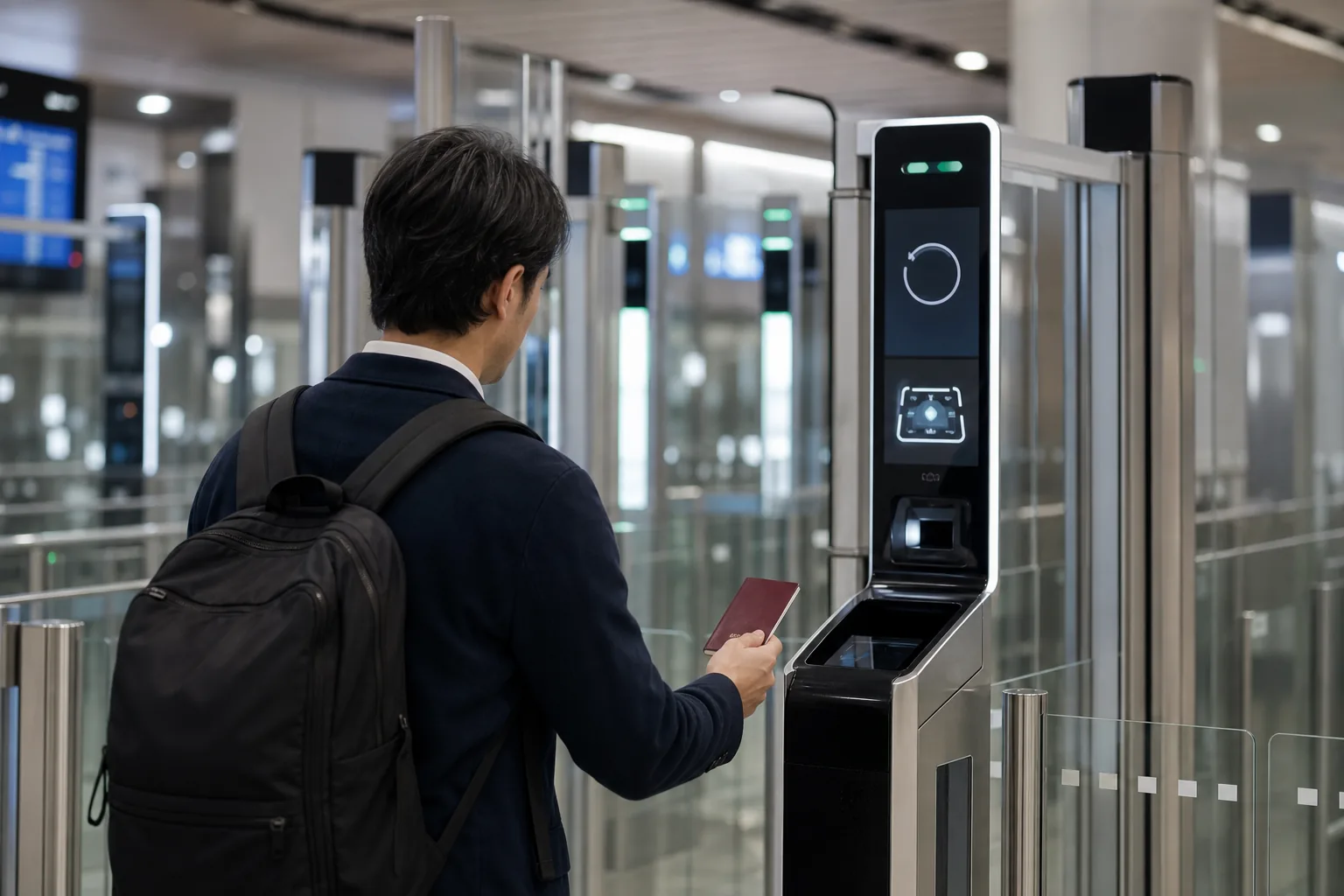
Global Entry is the fastest way through US border control, and almost nobody outside the US and Canada can simply apply for it. CBP runs the scheme with a list of partner countries, and most of those countries add a vetting step of their own that has to be booked, paid for and passed before the US application will even open. This guide covers the British version of that process, which is the one we are asked about most: a UK-run background check, then the US application. If you hold a different passport, the shape is usually the same but the detail is not, and there is a section at the end on where to check yours.
What Global Entry actually gives you
Global Entry is a Customs and Border Protection (CBP) Trusted Traveler Program: a scheme for pre-approved, low-risk travellers to clear US arrival faster. Members get expedited processing lines at major US airports and land borders, plus automatic eligibility for TSA PreCheck on domestic flights, and CBP calls it "the perfect program for frequent international or business travelers". Membership lasts five years (CBP).
One caveat worth carrying with you: membership is not an entry guarantee. CBP is explicit that members can still be pulled for further examination on arrival, the same as anyone else.
Eligibility runs by citizenship. CBP's list covers US citizens and lawful permanent residents plus the citizens of more than twenty partner countries, the United Kingdom among them, and it grows as new partnerships are signed. Most of those entries carry a note that additional country-specific requirements may apply (CBP eligibility). For British applicants, that note is the whole story: before you can touch the US application, you have to clear a UK-run check first.
One distinction catches people out: eligibility follows citizenship, not residence. A British citizen living abroad uses this route, while a French, Indian or Australian citizen living in London does not, and applies through their own country's arrangement with CBP if it has one.
Stage one: the UK background check
Only British citizens can apply for the UK stage, and the passport used must say "British citizen" on the photo page. Registration goes through gov.uk's Register to Apply service, costs £42 paid by debit or credit card, and the result comes back within 10 working days (gov.uk).
Pass, and you get a UK access code. Without it, the US application has nowhere to go.
Stage two: the US application
The US stage is filed on the official DHS Trusted Traveler Programs site, and it carries its own fee: $120. That has been the rate since 1 October 2024, when it rose from $100, the first increase in more than 15 years (CBP fee changes). Applicants under 18 are exempt from this fee if a parent or legal guardian is already a member, or is applying at the same time.
gov.uk tells applicants they will find out if they have passed the US check within 2 weeks (gov.uk). CBP's own wording is more cautious: most applications are reviewed within two weeks, but some can take up to 12 months or longer, depending on what a criminal history search turns up (CBP). Build the longer timeline in if there is anything in your history you would need to declare.
Neither fee is refunded if you fail the check, at either stage (gov.uk).
The interview, or Enrollment on Arrival
Conditional approval is not the finish line. You still need an interview, either in person at an enrolment centre or through Enrollment on Arrival (EoA), which folds the interview into your admissibility check when you land in the US, including at designated Preclearance locations (CBP). You have two years (730 days) from conditional approval to complete it; miss that window and CBP cancels the application with no refund (CBP).
EoA needs no appointment. Bring every passport you travel on and evidence of residency, such as a driving licence or a utility bill. For anyone with a US trip already booked once conditional approval comes through, EoA is the easier route: no separate visit, just paperwork you would be carrying anyway.
What it costs from the UK
Budget £42 for the UK stage and $120 for the US stage (both verified August 2026), paid separately and in two different currencies. We would not convert that to one sterling total here, since the exchange rate on the day you pay each fee moves the answer; work it out against the rate at the time. Applicants going through another country's route pay whatever that country charges for its own step, on top of the same $120.
Who Global Entry is not for
CBP's eligibility page lists several automatic disqualifiers: any criminal conviction or pending charge, including driving under the influence, a customs, immigration or agriculture violation in any country, and being under investigation by a law enforcement agency (CBP eligibility). If any of those apply to you, the £42 UK fee buys a check you are likely to fail, so it is worth being honest with yourself before you pay it.
If you hold a different passport
The two-stage shape is not a British quirk. It is how CBP runs Global Entry with most of its partner countries: a vetting step at home, then the US application. What changes is who runs the home-country step, what it costs, how long it takes, and in a few cases whether there is one at all. As of October 2026, CBP lists Argentina, Australia, Bahrain, Brazil, Colombia, Costa Rica, Croatia, the Dominican Republic, El Salvador, Germany, India, Japan, Jordan, Mexico, the Netherlands, Panama, Singapore, South Korea, Switzerland, Taiwan and the United Arab Emirates alongside the UK (CBP eligibility), and Canadian citizens come in through NEXUS rather than applying to Global Entry directly.
The list changes as new partnerships are signed, so check your own nationality against CBP's eligibility page rather than any summary of it, including this one, before you budget time or money. Anyone holding two passports is worth checking twice: the cheaper or quicker route is sometimes the second one.
Is it worth doing?
Crossing a US corridor once a year, Global Entry is a nice-to-have. Doing it more than once or twice, whether you are touring crew or a business traveller on repeat US runs, five years of skipped queues and standing TSA PreCheck tends to earn back the £140 or so quickly. Book the UK stage as soon as you know you will need it (10 working days is not long, but it is one more thing that can sit unopened in an inbox), and use Enrollment on Arrival to fold the interview into a trip you were taking anyway. Our tour support team builds this kind of paperwork into touring schedules alongside work visas, so it does not become the thing that gets forgotten.
For help with an individual Global Entry or wider US travel application, whatever passport you hold, our personal applications team can talk you through it, or get in touch with your situation.